
Your home just sold for $50,000 above asking price, but here's the plot twist that nobody warned you about - the appraiser shows up with a valuation that's $30,000 lower than your agreed sale price. Welcome to the appraisal gap, where dreams of extra profit can vanish faster than free donuts at a real estate office. This gap between what buyers will pay and what appraisers determine your home is worth has become the silent profit killer for sellers, especially as we head into 2026's unpredictable market conditions. Fast-moving price increases combined with appraisers relying on outdated comparable sales data create a perfect storm that can derail even the most promising deals. This guide breaks down exactly why appraisal gaps happen, from multiple-offer scenarios that push prices beyond recent comparables to the lag time in appraisal methodology that hasn't caught up with rapid market shifts. You'll discover specific pricing strategies that work with appraisers rather than against them, a comprehensive pre-appraisal checklist that positions your home for success, and value-boosting repairs that actually move the needle on appraised value. We'll also explore how companies like Vestera are helping sellers protect their equity through detailed comparative market analyses, professional appraiser packets, and skilled negotiation support when gaps do occur. Ready to stop leaving money on the table and start protecting every dollar of your home's true value?
Why Appraisal Gaps Are Rising
Market conditions have shifted dramatically, creating a perfect storm where property valuations struggle to match actual transaction amounts. The gap between appraisals and sale prices for the first half of this year was the highest that we have seen since the start of the pandemic in 2020. This disconnect stems from fundamental timing issues in how appraisers gather and analyze market data compared to how quickly buyer behavior and pricing evolve.
Appraisers typically rely on comparable sales from the past three to six months to determine current property values. However, when home values jump 15-20% within a single quarter, these historical comparables become nearly useless for accurate valuation. The appraiser shows up with data from spring transactions to evaluate a fall sale, creating an immediate mismatch between what buyers are willing to pay and what the appraiser considers reasonable based on older information.
Impact of Fast Price Increases
Rapid appreciation creates a lag effect that consistently undermines appraisal accuracy. When neighborhoods experience sudden value spikes due to new developments, school district changes, or infrastructure improvements, appraisers find themselves working with stale data that no longer reflects current market reality. Home appraisals were higher than sale prices 51% of the time in the first half of 2024, indicating that even when appraisers attempt to account for market changes, they often overcompensate or miscalculate the actual pace of appreciation.
Buyers competing in heated markets often bid based on future value projections rather than current comparable sales. They factor in anticipated neighborhood improvements, planned commercial developments, or expected job market growth. Appraisers, bound by professional standards that emphasize documented historical data over speculative future value, cannot match these forward-looking price justifications.
Challenges with Outdated Data
Information delays plague the appraisal process at every level. County records, MLS updates, and comparable sale confirmations all operate on different timelines, creating data gaps that widen during volatile market periods. An appraiser might miss recent sales that closed just days before their evaluation, or they might include pending sales that ultimately fell through at different price points.
Geographic data limitations compound these timing issues. Appraisers working in rapidly developing suburban areas often lack sufficient comparable sales within the required proximity guidelines. They resort to using properties from different neighborhoods or older sales from the same area, both of which can significantly skew valuations in fast-moving markets.
Competing offers intensify these valuation challenges by pushing final sale amounts well beyond what recent comparable data would suggest as reasonable. When five buyers bid on a single property, the winning offer often reflects emotional decision-making and competitive pressure rather than calculated market analysis. Appraisers cannot easily quantify these psychological factors that drive actual transaction amounts higher than their data-driven valuations would support.
Essential Steps to Prevent a Low Appraisal
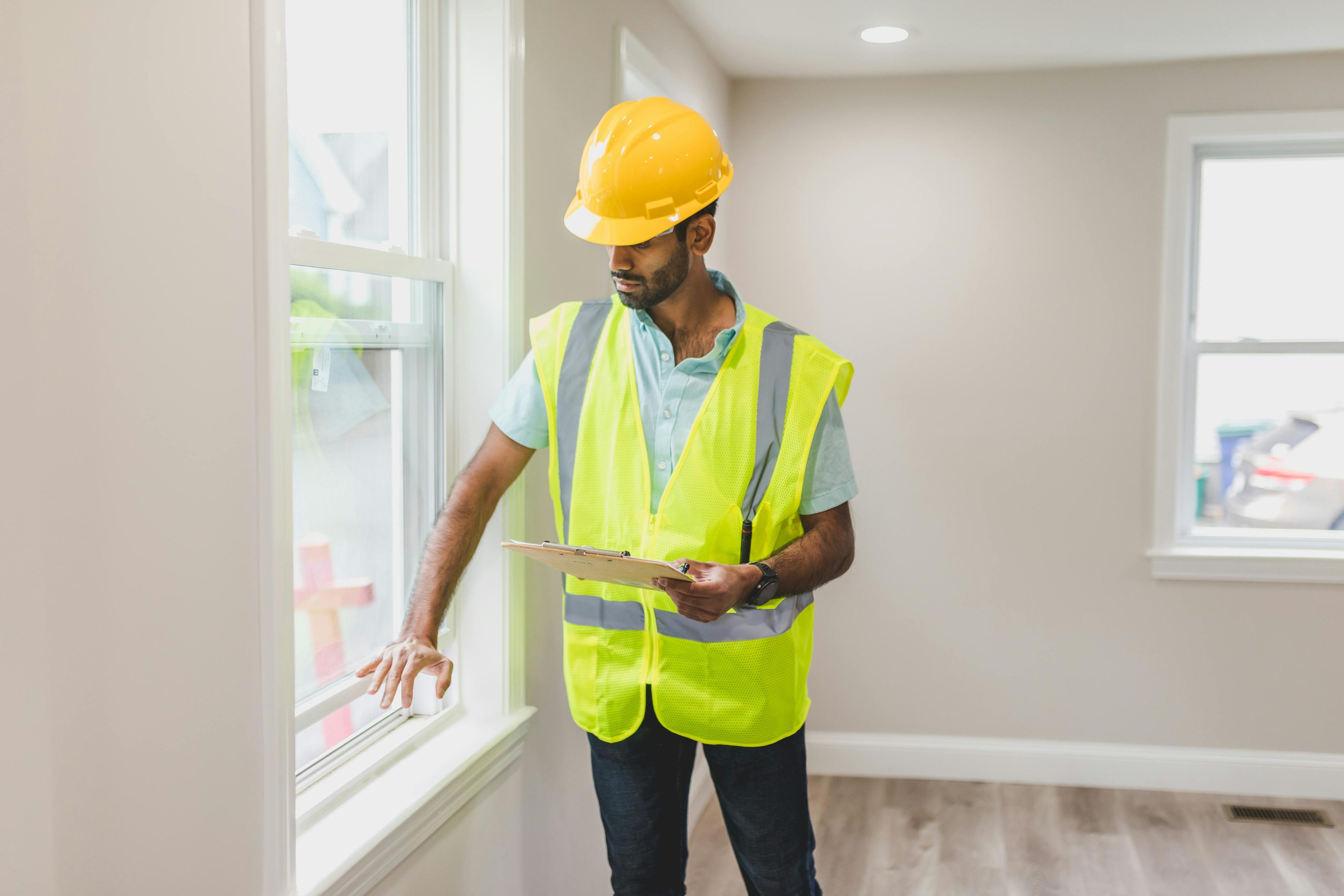
Smart sellers understand that controlling the appraisal outcome starts weeks before the appraiser walks through your front door. Your home's final valuation depends on strategic moves you make during the listing preparation phase, not desperate last-minute fixes that drain your wallet without delivering results.
Setting your initial asking price requires a delicate balance between market ambition and appraisal reality. Start by analyzing sales from the past 30-45 days rather than relying on older transactions that may not reflect current buyer behavior. Focus on homes that sold quickly with minimal negotiation, as these represent true market value rather than properties that lingered due to overpricing. Consider scheduling a pre-listing appraisal for unique or high-value properties, which can "dispel any anxieties you have about the value of your home and reduce the odds that the lender's appraisal will come in under the contract price." This upfront investment provides concrete data to support your listing strategy and helps avoid surprises during the buyer's financing process.
Building a comprehensive preparation checklist ensures nothing gets overlooked during the critical pre-appraisal period. Your systematic approach should include these essential items:
- Gather documentation for all major improvements completed within the past five years, including receipts and permits
- Research recent sales of similar homes in your area, ideally within the last three months
- Test all electrical outlets, light fixtures, and mechanical systems to ensure proper function
- Address visible maintenance issues like loose cabinet hardware, wall damage, or broken fixtures
- Compile a list of neighborhood amenities and recent developments that add value
- Photograph any unique features or high-end finishes that distinguish your property
- Create a detailed summary of square footage, room counts, and lot specifications
- Document any energy-efficient upgrades or smart home technology installations
Completing targeted maintenance work delivers measurable returns on your appraisal outcome, but timing and scope matter tremendously. Focus on repairs that fix obvious problems rather than pursuing major renovations, since "preparing your house for the appraisal should never involve last-minute renovations because you'll rarely get back what you spend dollar for dollar." Replace burnt-out bulbs, repair leaky faucets, and patch visible wall damage to present a well-maintained property. These small investments demonstrate pride of ownership without breaking your budget or delaying your timeline.
Presenting comprehensive upgrade documentation helps appraisers recognize improvements they might otherwise miss during their brief walkthrough. "Highlighting these enhancements can help support a higher appraisal value" when you provide clear evidence of renovated bathrooms, new HVAC systems, or premium flooring installations. Organize your documentation in a simple folder that your agent can share with the appraiser, making their job easier while ensuring your investments get proper recognition in the final valuation.
Navigating Multiple-Offer Situations
Bidding wars on desirable homes often push prices above asking, creating complex scenarios where traditional negotiation tactics fall short. When homes can transition from "just listed" to "pending" in a matter of days, sometimes even hours, sellers must understand the sophisticated mechanisms buyers use to compete. These competitive dynamics directly impact your ability to close at your desired price point, making it crucial to recognize how different buyer strategies affect your final sale outcome.
Understanding Escalation Clauses and Appraisal Gap Coverage
Buyers increasingly rely on escalation clauses to automatically outbid competitors without engaging in endless rounds of negotiation. "This states that you will increase your offer by a certain amount (e.g., $1,000) above any higher competing offer, up to a specified maximum price." These clauses benefit sellers by creating transparent bidding processes that can drive final sale amounts well beyond initial asking prices. However, they also introduce complexity when multiple buyers include similar provisions, potentially creating situations where the highest escalation cap determines the winner rather than the most qualified buyer.
Appraisal gap coverage has become equally important in protecting deals from falling apart due to valuation shortfalls. "If you're offering above the asking price, you can include a clause stating you're willing to cover the difference between the appraised value and your offer price, up to a certain amount." This protection mechanism allows sellers to accept higher offers with greater confidence, knowing that buyers have committed additional cash to bridge potential valuation gaps. Smart sellers should evaluate not just the total offer amount but also the gap coverage limits when comparing competing bids.
Negotiation Skills to Mitigate Appraisal Risks
Effective negotiation during multiple-offer situations requires understanding what motivates each buyer and how their financial capacity affects deal security. Buyers who demonstrate strong earnest money deposits signal serious commitment, as "a larger earnest money deposit signals to the seller that you are serious and committed." Sellers can leverage this information to identify which offers represent genuine intent versus speculative bidding that might collapse under scrutiny.
Timing flexibility often proves more valuable than additional purchase price when dealing with appraisal concerns. Buyers who accommodate seller preferences regarding closing dates demonstrate adaptability that can smooth potential complications. "If the seller has a specific timeline, aligning your closing date with their needs can be a powerful incentive." This flexibility becomes particularly important when appraisal issues arise, as extended timelines allow for additional comparable research or second opinion appraisals.
Role of Appraisal Contingencies
Contingency management represents the most delicate aspect of multiple-offer negotiations, as sellers must balance deal security against competitive advantages. Buyers who minimize contingencies make their offers more attractive, but sellers should carefully evaluate whether reduced protections create unnecessary risks. The absence of appraisal contingencies might seem appealing, but it can lead to renegotiation attempts or deal failures when valuations come in low.
Strategic sellers often counter multiple offers by requesting specific contingency modifications rather than accepting or rejecting entire packages. This approach allows you to maintain deal security while encouraging buyers to strengthen their positions through gap coverage or reduced inspection periods. The key lies in identifying which contingencies provide genuine protection versus those that simply create negotiation leverage.
Structuring counter-offers that address appraisal concerns upfront prevents last-minute surprises that can derail transactions. When buyers include substantial gap coverage and demonstrate financial capacity to honor those commitments, sellers can proceed with greater confidence even in volatile market conditions.
Practical Pricing Strategies for Sellers
Strategic listing amounts determine whether your home attracts qualified buyers or sits stagnant while competitors sell around you. Your initial asking figure sets the tone for every subsequent interaction, from buyer interest levels to appraiser expectations, making this decision far more critical than most sellers realize. The difference between a well-researched listing amount and a hopeful guess can mean thousands of dollars in your pocket or weeks of market frustration.
Successful sellers work backward from appraisal realities rather than forward from wishful thinking. Start by analyzing what appraisers actually support in your neighborhood through recent comparable sales, then build your strategy around those proven valuations. According to the National Association of Realtors' 2024 Profile of Home Buyers and Sellers, buyers typically purchased their homes for 100% of the asking price, which means your listing amount directly correlates with your final sale proceeds. This data reinforces why accurate initial valuations matter more than aggressive opening bids that create appraisal complications later.
Market positioning requires understanding buyer psychology alongside appraisal methodology. "Buyers and their agents research market value too, so you want to hit the sweet spot in price" that attracts serious interest without triggering valuation concerns. Smart sellers recognize that pricing at market value draws in roughly 60% of active buyers, creating a substantial pool of potential purchasers who can secure financing at your asking amount.
Your pre-listing research should focus on these specific tactical approaches:
- Analyze comparable sales from the past 30-60 days rather than relying on older transactions that may not reflect current market conditions
- Calculate price per square foot for similar homes to identify realistic ranges that appraisers will support
- Factor in condition differences between your property and recent sales to adjust expectations accordingly
- Research pending sales in your area to understand current buyer behavior and pricing trends
- Document any unique features or improvements that distinguish your home from standard comparables
Building your valuation strategy around recent market evidence protects against the common mistake of emotional pricing. "A home with better upgrades may sell for less in 2025 than a similarly sized house of lesser quality sold for as little as two years ago" due to changing market dynamics. This reality check helps sellers avoid the trap of assuming that past peak prices still apply in current conditions.
Conservative list ranges often produce better net results than aggressive opening amounts, especially when appraisal gaps become costly. Some sellers are pricing their homes higher than ever just because they can, but this may drive away serious buyers and result in unapproved appraisals. Consider starting slightly below market value if you want to generate multiple offers, or price at market value for steady, qualified buyer interest.
Working with experienced agents who understand appraisal patterns in your specific area provides invaluable insight into what valuations will actually support. These professionals can perform detailed comparative market analyses that account for neighborhood-specific factors that online estimates miss. Their expertise helps you avoid pricing mistakes that create unnecessary complications during the appraisal process.
Implementing these research-based approaches positions your home for smooth transactions that close at or near your asking amount, protecting your equity while attracting buyers who can complete their purchases successfully.
I notice that no source link or source content summary has been provided in your request. The and sections are empty. Without this information, I cannot determine what text should be hyperlinked or where the link should point to.
Please provide the source link and source content summary so I can add the appropriate external linking to the section.
Final Thoughts
Appraisal gaps aren't just market hiccups - they're profit killers that catch unprepared sellers off guard. We've covered the main culprits behind these gaps, from rapid price increases that leave appraisers scrambling with outdated comparable sales data to multiple-offer situations that push prices beyond what appraisers feel comfortable supporting.
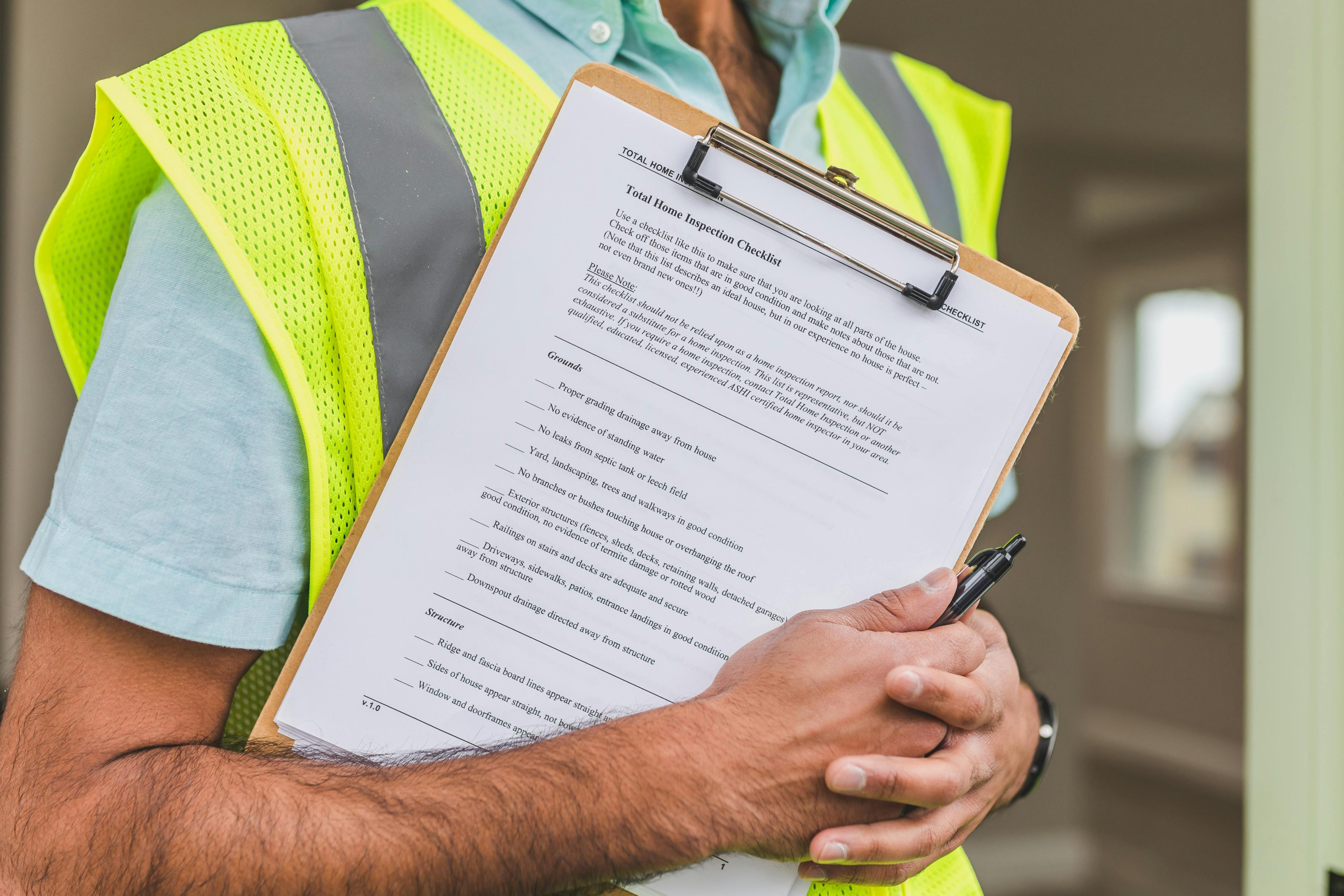
The strategies we discussed aren't rocket science, but they require planning. Smart pricing based on recent sales data beats wishful thinking every time. Your pre-appraisal checklist and strategic repairs can mean the difference between walking away with full equity or leaving money on the table. These aren't just nice-to-have extras - they're your financial armor against low appraisals.
Being proactive beats being reactive when thousands of dollars hang in the balance. The homeowners who research comparable sales, complete value-adding improvements, and prepare comprehensive documentation before listing consistently outperform those who wing it. This preparation becomes even more critical as 2026 approaches with its shifting market dynamics.
Professional support through companies like Vestera offers detailed comparative market analysis, appraiser packets, and negotiation expertise that individual sellers simply can't match. Their resources help bridge the gap between what you know your home is worth and what an appraiser sees on paper.
Don't let an appraisal gap derail your selling goals. Start implementing these protection strategies now, gather your documentation, and consider partnering with professionals who understand how to present your home's value effectively. Your future self will thank you when that appraisal comes back at full asking price.
Check out this article next